Forehead Lines
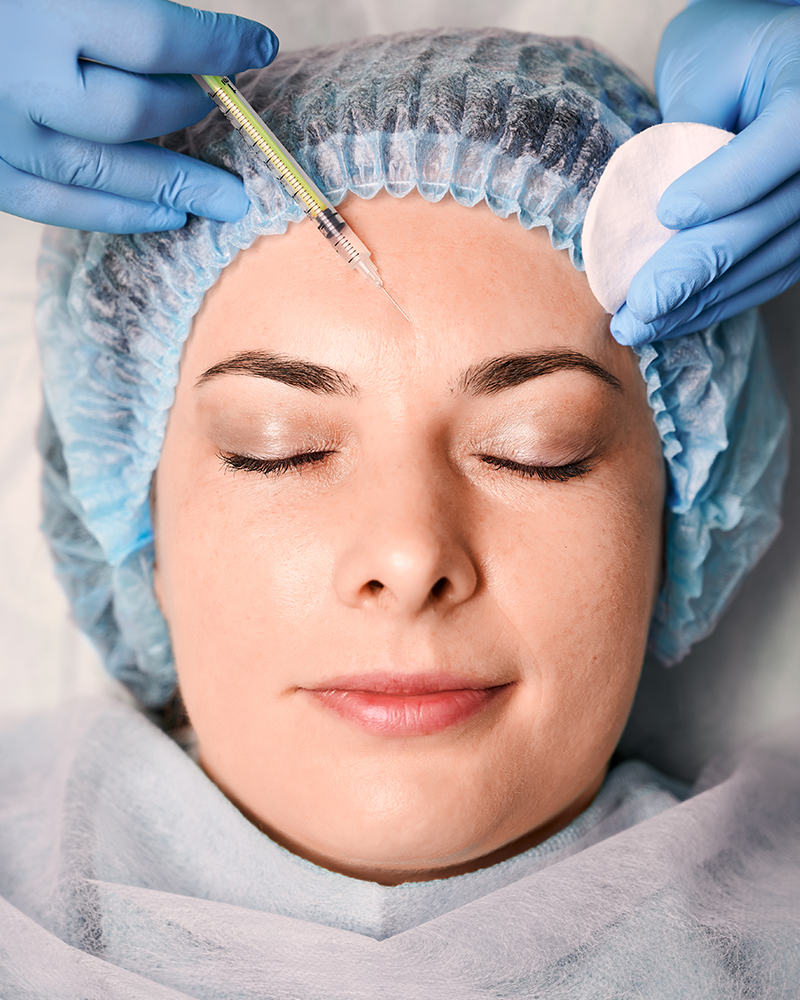
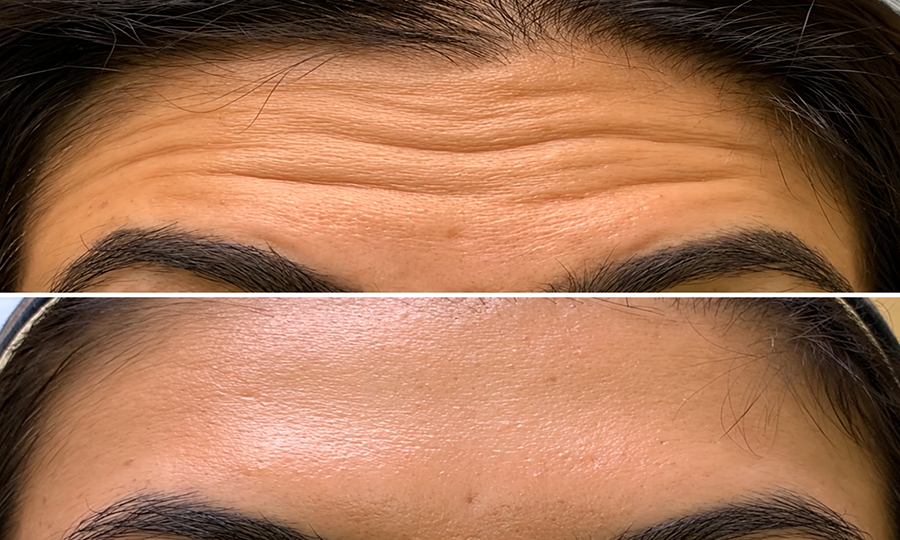
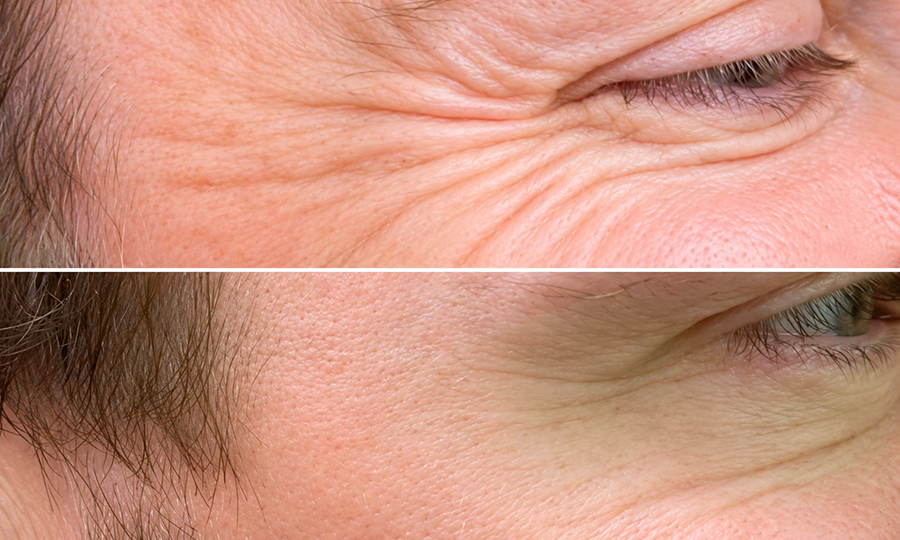
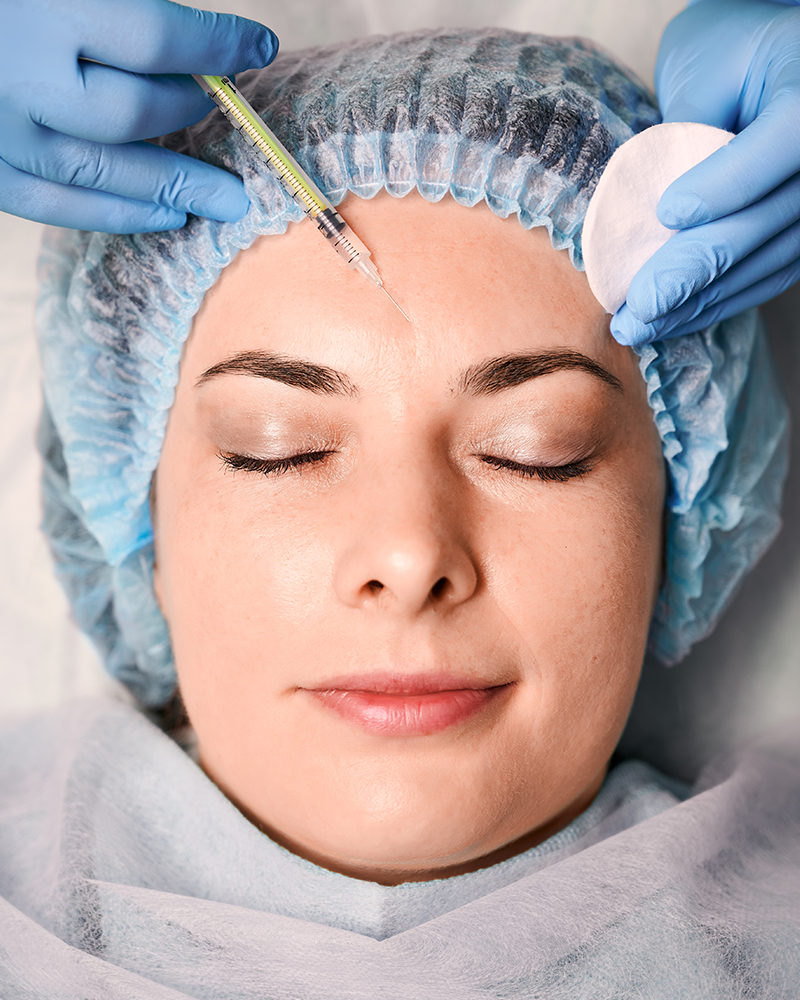
Repeated contraction of the frontalis muscle can create horizontal forehead lines. Targeted Botox injections can temporarily reduce muscle activity and soften their appearance.
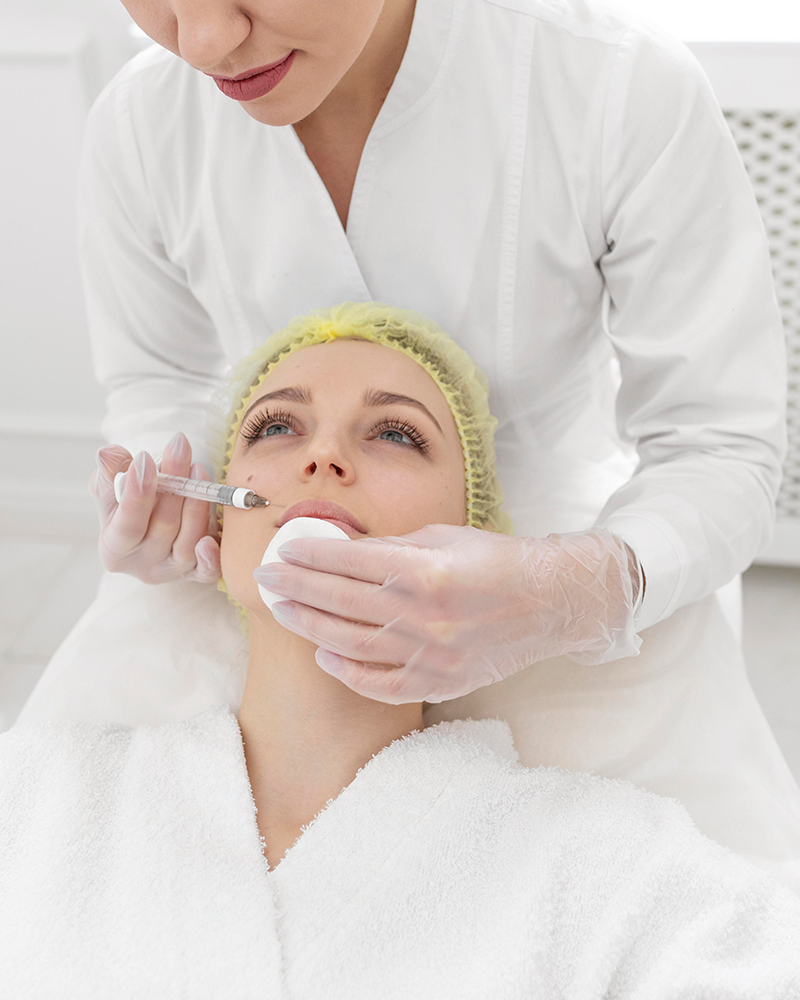
Facial expressions create character, but repeated muscle contractions can also lead to dynamic wrinkles. Botox is a neuromodulator that temporarily reduces targeted muscle activity to soften these lines. Dr. Durvi Patel uses a focused approach to address visible wrinkles while maintaining natural facial movement.
Need Help!
Botox is an injectable neuromodulator made from botulinum toxin type A. When injected into selected facial muscles, it temporarily reduces nerve signals that cause muscle contractions. This can soften dynamic wrinkles that develop through repeated facial movement.
Botox targets specific facial muscles that contribute to common expression-related wrinkles.
Repeated contraction of the frontalis muscle can create horizontal forehead lines. Targeted Botox injections can temporarily reduce muscle activity and soften their appearance.
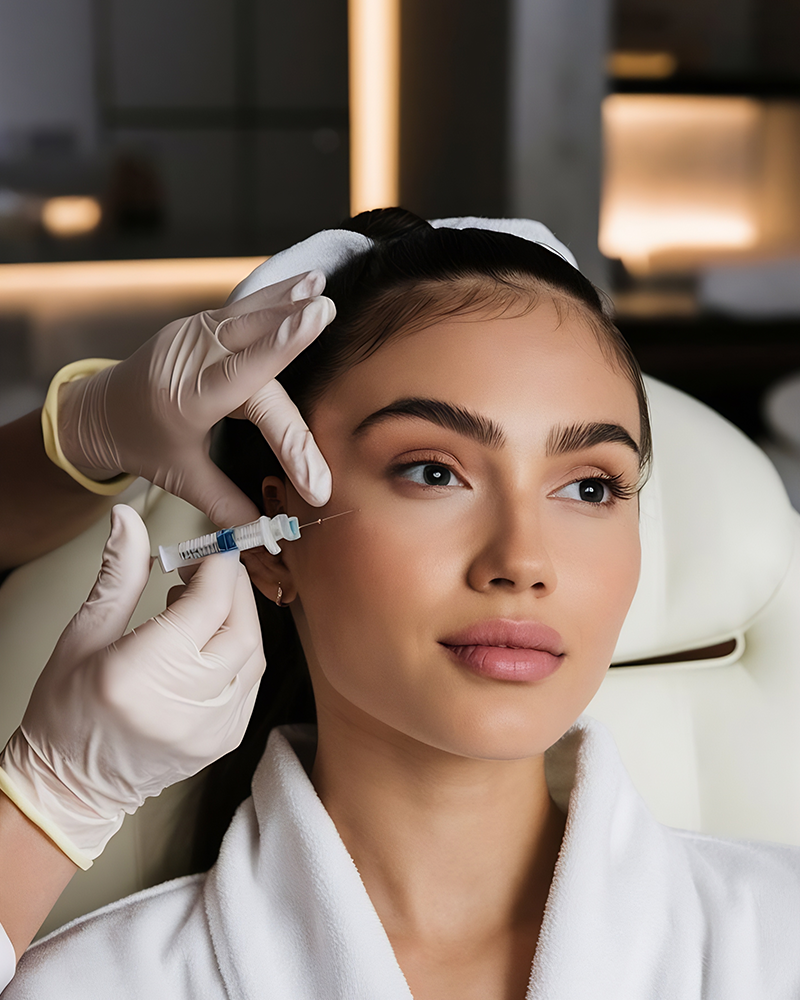
Glabellar lines, often called frown lines, develop between the eyebrows through repeated contraction of the underlying muscles. Botox can relax these muscles and create a smoother appearance.
Lateral canthal lines, commonly known as crow's feet, appear around the outer corners of the eyes with repeated smiling and squinting. Botox can temporarily reduce the muscle activity contributing to these lines.
Dr. Durvi Patel begins by looking at your facial anatomy and muscle movement. This helps identify the muscles contributing to the wrinkles you want to address.
Botox treatment requires precise placement. The injection sites and treatment pattern are selected according to the muscles involved, the treatment area, and your desired outcome.
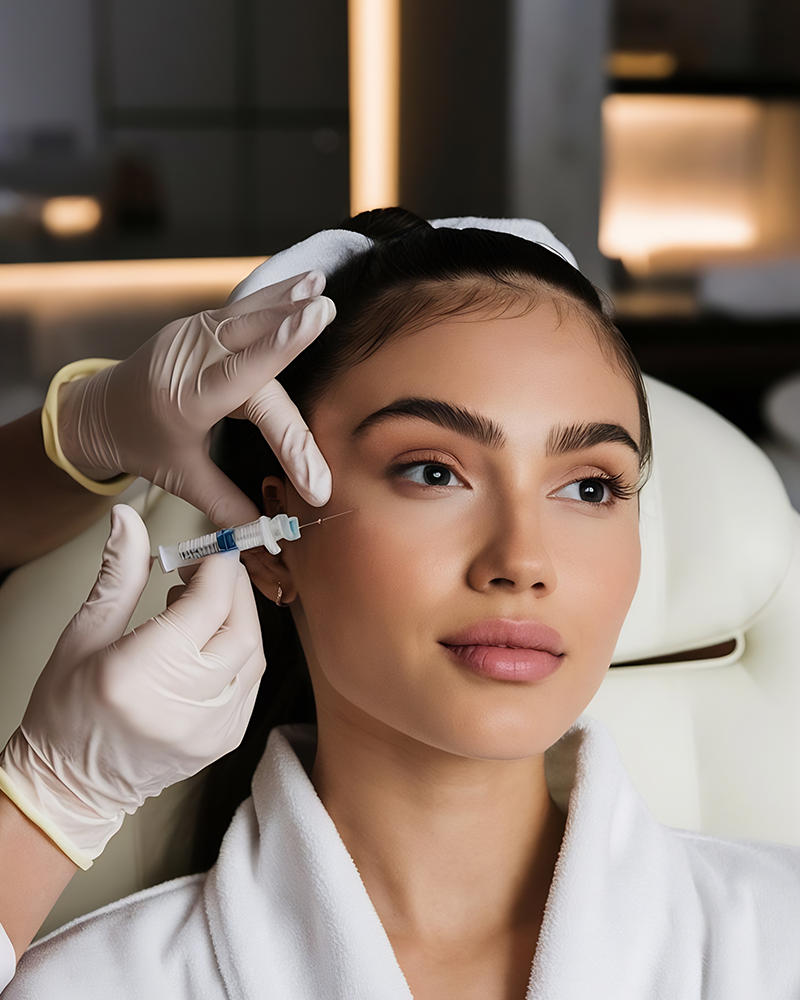
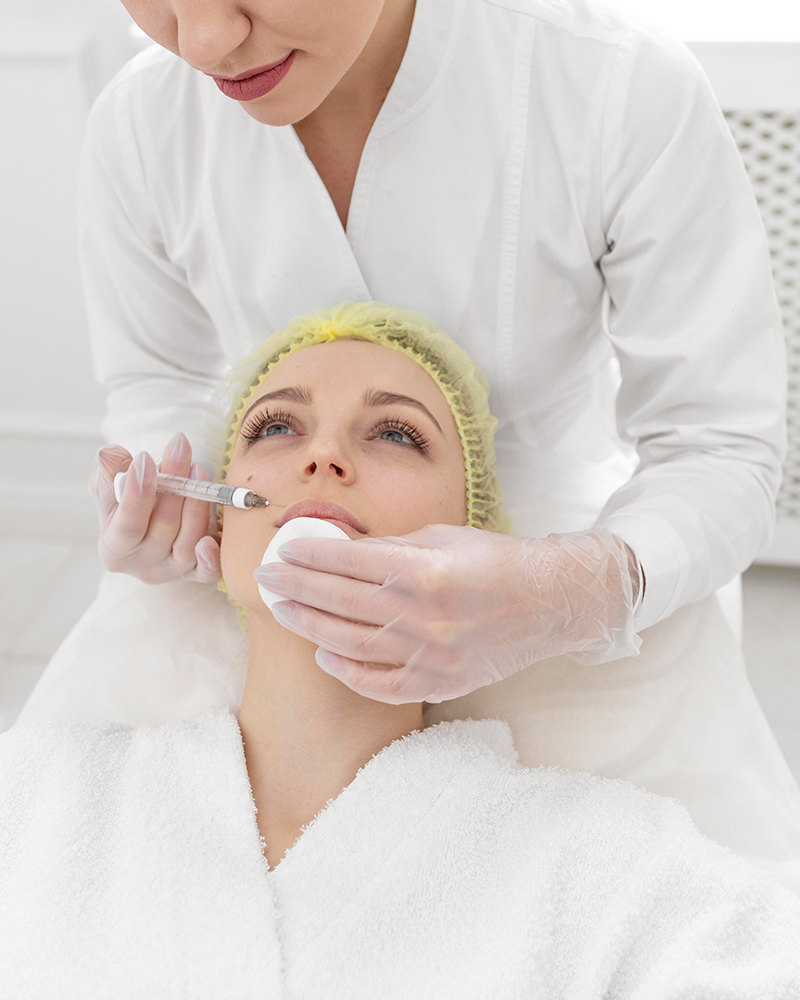
A small needle delivers Botox into the selected muscles. The number of injections depends on the areas being treated and your individual treatment plan.
Botox does not produce its full effect immediately. The targeted muscles gradually become less active, allowing dynamic wrinkles to appear softer over time.
Dynamic wrinkles develop differently from person to person. Botox can target selected muscles in areas where repeated facial movement contributes to visible lines.
Horizontal lines across the forehead can become more pronounced with repeated eyebrow movement. Botox can temporarily reduce activity in the targeted muscles.
The muscles between the eyebrows contribute to vertical frown lines. Botox can reduce their activity and soften the appearance of these lines.
Repeated contraction of the muscles around the eyes can create lateral canthal lines. Targeted treatment can help make these wrinkles less noticeable.
Some visible wrinkles are closely connected to repeated muscle contractions. Botox can be used selectively to address muscle activity in specific treatment areas.
Facial anatomy and muscle strength vary from one person to another. Dr. Durvi Patel can determine the appropriate injection sites based on your individual facial movement.
Botox treatment requires more than identifying a wrinkle. The underlying muscle activity, facial anatomy, and desired level of movement all influence the treatment approach.
Dr. Durvi Patel evaluates these factors when planning injections, with the goal of softening targeted wrinkles while maintaining natural facial expression.
Repeated facial movement can gradually make dynamic wrinkles more visible. Botox can target the muscle activity contributing to these lines.
Over time, dynamic wrinkles may become noticeable even when your face is relaxed. This can be a reason to discuss treatment options with a qualified provider.
Botox is administered through injections rather than surgery. It can address selected facial wrinkles without surgical incisions.
You may want smoother skin without losing the ability to express yourself naturally. A carefully planned treatment can focus on specific muscles rather than eliminating facial movement altogether.
Not every wrinkle requires the same treatment. A consultation with Dr. Durvi Patel can help identify the muscle activity behind your concerns and determine whether Botox may be appropriate.
Your treated areas may have mild redness, swelling, bruising, or tenderness after Botox injections. These effects are usually temporary. Botox gradually reduces activity in the targeted muscles, so you may begin noticing changes over the following days as the treatment takes effect.
Results continue to develop after treatment, and the duration can vary between patients and treatment areas. Dr Durvi Patel will explain what you can expect during recovery and when follow-up treatment may be appropriate.