Rhinoplasty

Rhinoplasty
Rhinoplasty

Rhinoplasty

Refine Your Nose, Balance Your Features

The shape and proportions of your nose play an important role in your overall facial appearance. A prominent bridge, uneven nasal tip, or changes in nasal shape can affect facial balance. Rhinoplasty is a surgical procedure that reshapes the nose to address specific structural and aesthetic concerns. Dr. Aaron Shapiro can evaluate your nasal anatomy and discuss whether rhinoplasty may be appropriate for your goals.

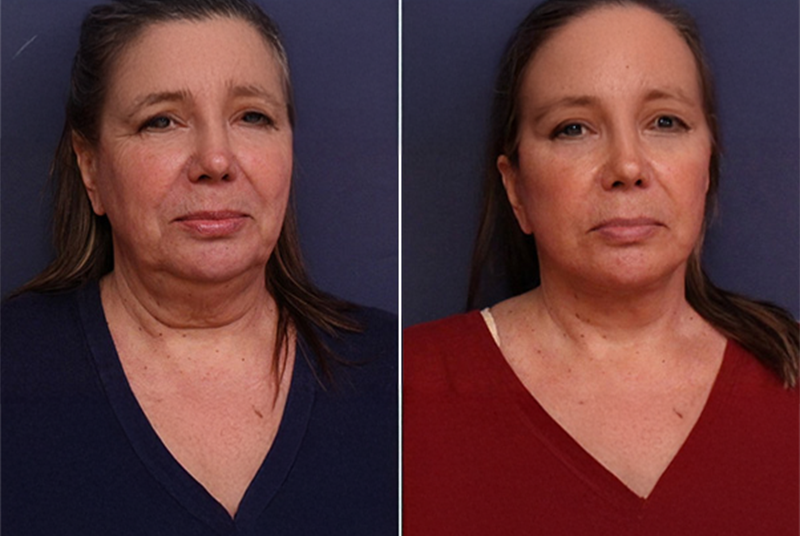
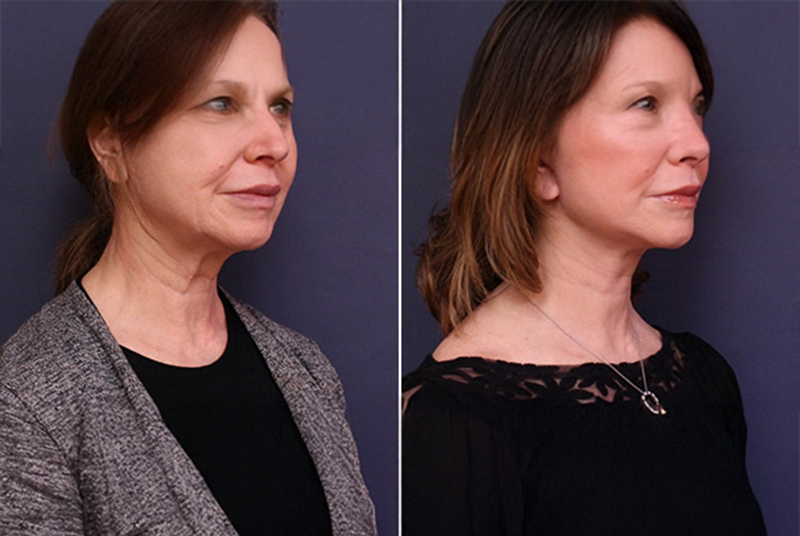
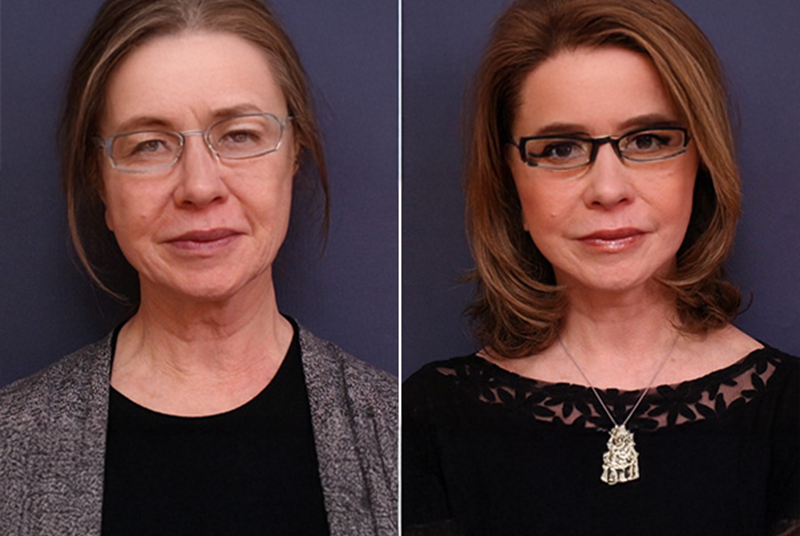
Rhinoplasty Before & After

See How Nasal Refinement Can Change Facial Balance

Rhinoplasty
Rhinoplasty
Rhinoplasty

ABOUT RHINOPLASTY

Reshape Your Nose to Complement Your Features

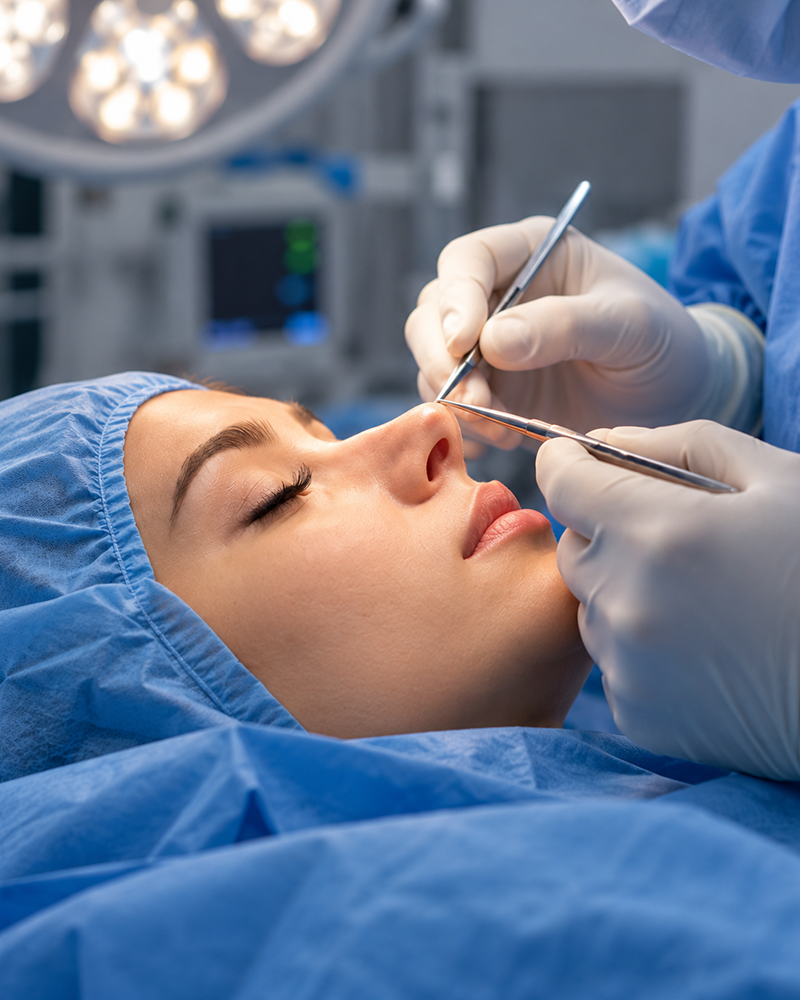
Rhinoplasty, commonly known as nose surgery, is a procedure that changes the shape or structure of the nose. Depending on your anatomy and treatment goals, surgery may modify the nasal bridge, tip, nostrils, or other structural components to create a more balanced appearance.

01

What Can Rhinoplasty Improve?

Rhinoplasty can address different aspects of nasal shape and proportion based on your individual anatomy.

01
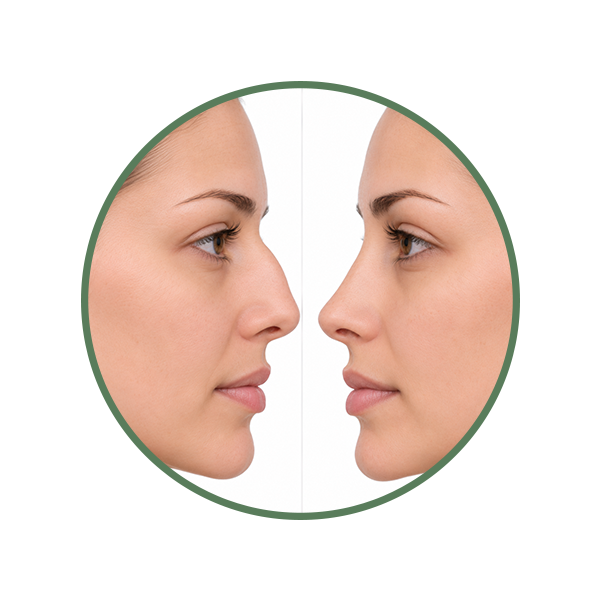
Nasal Bridge

Nasal Bridge

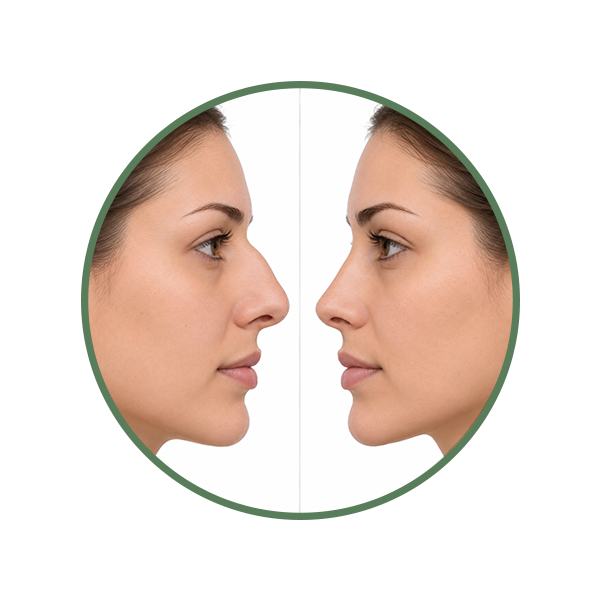
A prominent, wide, or uneven nasal bridge can affect the overall proportions of the face. Rhinoplasty can reshape the bridge to create a more balanced nasal profile.
02
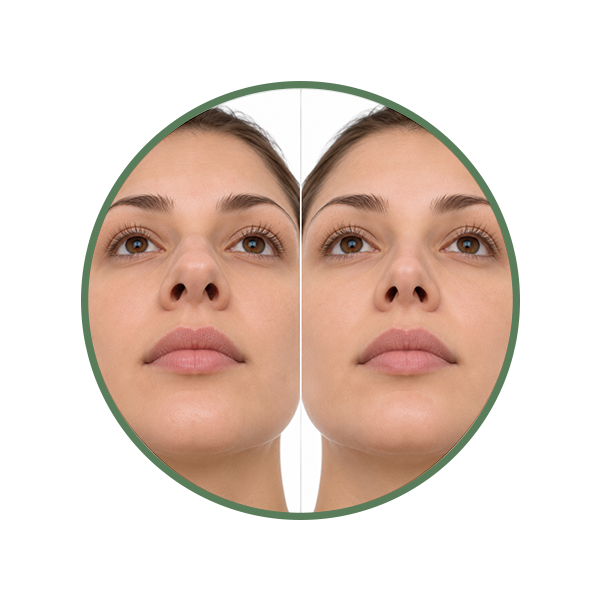
Nasal Tip

Nasal Tip

The tip of the nose contributes significantly to its overall shape. Surgical refinement can address concerns such as a rounded, drooping, or disproportionate nasal tip.

03
Nasal Proportions

Nasal Proportions

The nose should complement the rest of your facial features. Rhinoplasty can modify selected structures to improve proportion and create greater facial harmony.

02

What Happens During Rhinoplasty?

01

Evaluating Your Nasal Anatomy

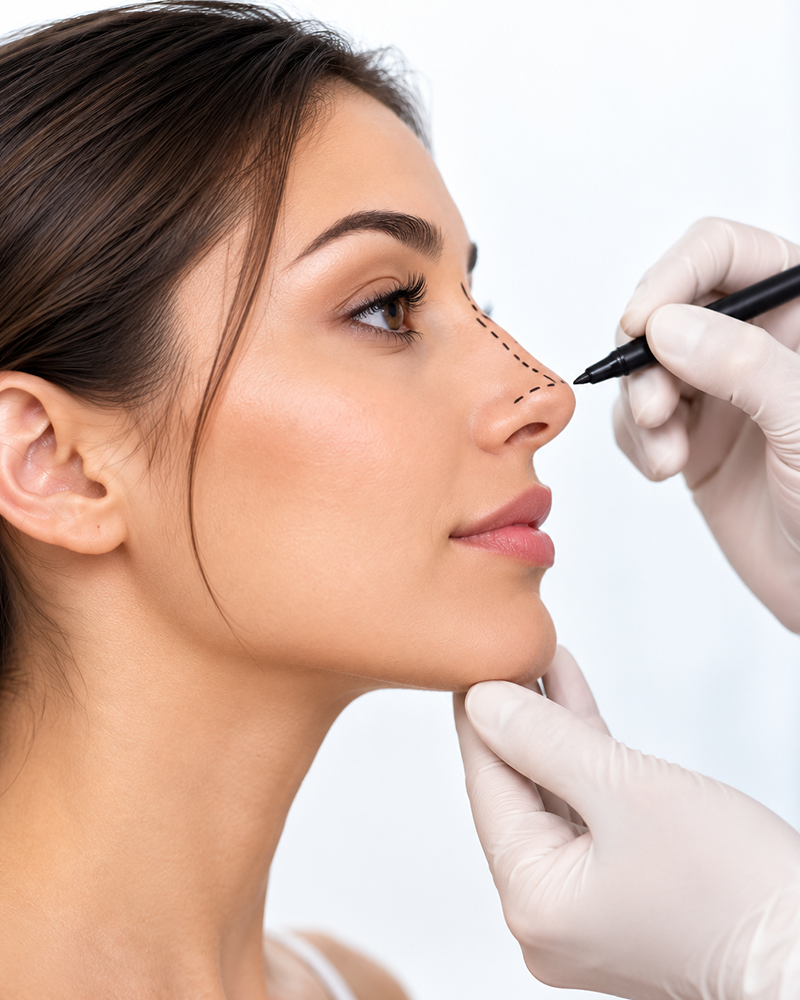
Your treatment begins with an examination of your nose and surrounding facial features. Dr. Aaron Shapiro considers the nasal bones, cartilage, skin, and overall facial proportions when assessing your concerns.

02

Planning Your Surgical Approach

Your surgical plan is based on your nasal structure, skin characteristics, and desired outcome. Dr. Aaron Shapiro will explain which areas may need to be reshaped or adjusted.

03

Reshaping the Nasal Structures

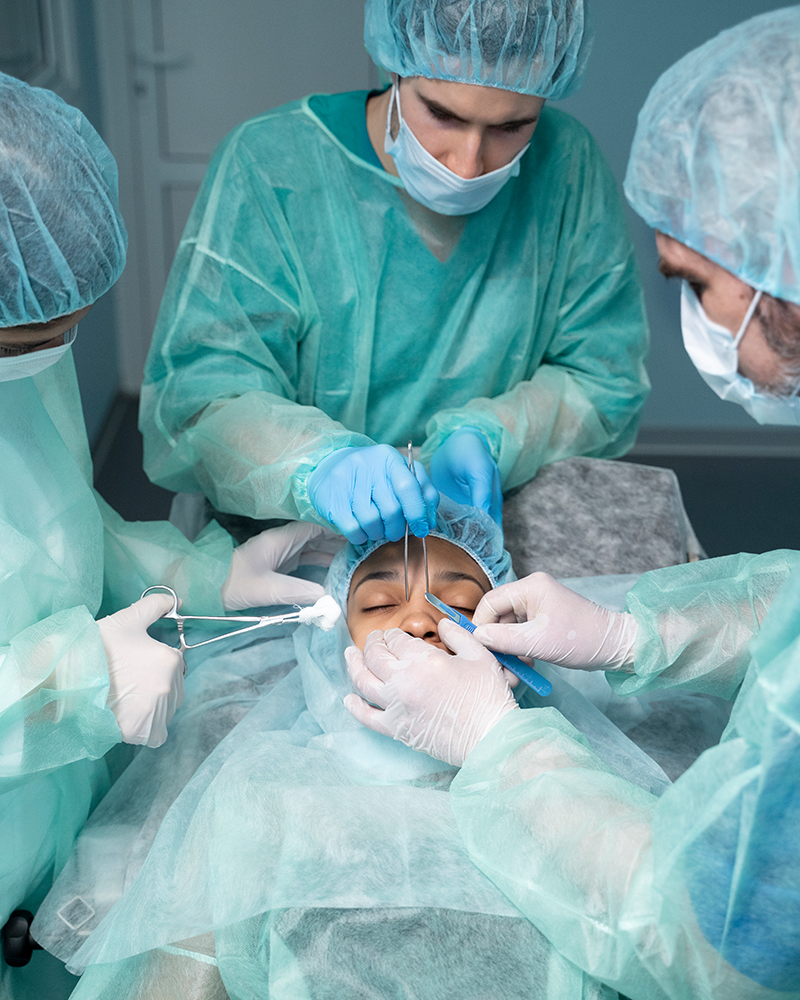
During surgery, selected nasal bones and cartilage may be reshaped, reduced, or repositioned. The specific techniques depend on your individual anatomy and the correction required.

04

Refining the Final Shape

Once the desired structural changes are completed, the nasal tissues are carefully positioned and the incisions are closed. Your nose will continue to settle as healing progresses.

Find the Approach That Fits Your Nose

Rhinoplasty can address different structural and aesthetic concerns. The appropriate surgical approach depends on your anatomy and the changes you want to make.

01. Bridge Refinement

Changes to the nasal bridge can address a prominent or uneven profile. Surgical reshaping can create a smoother transition between the nose and surrounding facial features.

02. Tip Refinement

The nasal tip can be reshaped to improve its definition, projection, or proportion. The approach depends on the underlying cartilage and your desired result.

03. Nostrils & Nasal Width

Some patients are concerned about the width or shape of the nostrils. When appropriate, rhinoplasty can address selected changes to improve overall nasal proportions.

04. Nasal Profile

The bridge, tip, and other nasal structures work together to create your profile. Rhinoplasty can address multiple areas when needed to create a more cohesive appearance.

05. Personalized Rhinoplasty

There is no single ideal nose shape for every patient. Dr. Durvi Patel considers your facial proportions, nasal anatomy, skin characteristics, and goals when planning treatment.

Your Nose Should Fit Your Face

Rhinoplasty is not simply about making the nose smaller. Changes to one part of the nose can affect the appearance of the entire face, so careful planning is important.

Dr. Aaron Shapiro evaluates your nasal anatomy and facial proportions when developing your treatment plan. The goal is to address the concerns that matter to you while maintaining harmony with your natural features.

When Should You Consider Rhinoplasty?

A prominent bridge, uneven contour, or other structural feature can affect how your nose looks from the side. Rhinoplasty can address selected profile concerns.

The size, projection, or position of the nasal tip can affect overall facial balance. Surgical refinement may help create better proportion.

The nose is a central feature of the face. Changes to its shape or size can influence how your other features appear in relation to one another.

Nonsurgical treatments may temporarily modify the appearance of certain nasal features, but they cannot reshape the underlying nasal bones and cartilage like rhinoplasty can.

Rhinoplasty

Wondering If Rhinoplasty Is Right for You?

Your concerns may involve the bridge, nasal tip, nostrils, profile, or overall nasal proportions. A consultation with Dr. Aaron Shapiro can help identify the structural features you want to address and determine whether rhinoplasty may be appropriate for you.

What Should You Expect After Rhinoplasty?

Swelling, bruising, congestion, tenderness, and temporary changes in sensation can occur after rhinoplasty. These effects gradually improve as the nasal tissues heal. Your surgeon will provide specific instructions for incision care, activity, medications, and follow-up appointments.

Your nose will continue to change during recovery as swelling decreases and the tissues settle into their new shape. The final appearance develops gradually, and recovery varies between patients depending on the surgical approach and individual healing process.

Rhinoplasty