Uneven Tone & Dark Spots
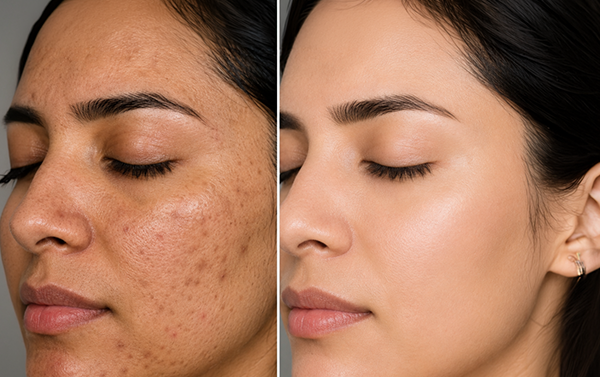
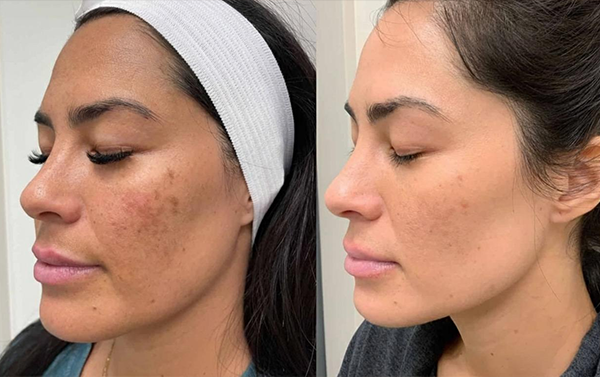
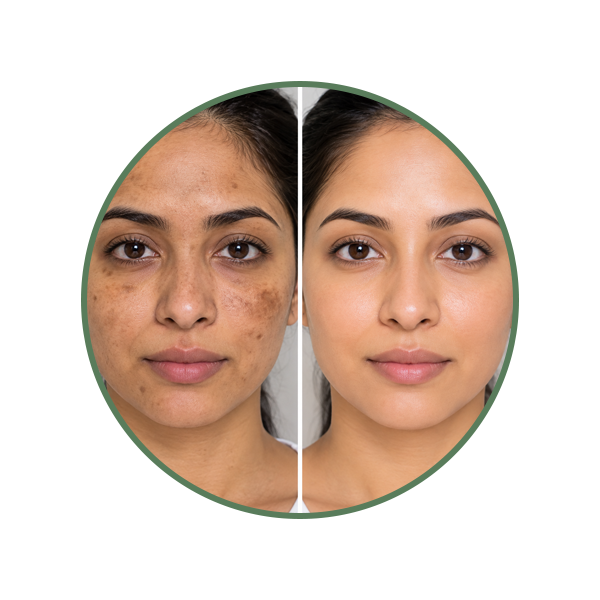
Sun exposure and other skin changes can leave behind age spots, freckles, melasma, and other areas of uneven pigmentation. Certain chemical peels can help improve the appearance of these concerns.
Your skin can change with age, sun exposure, acne, and everyday environmental stress. Uneven tone, rough texture, dark spots, fine lines, and a dull complexion can affect how your skin looks. Chemical peels use controlled exfoliation to refresh the skin's surface and improve the appearance of common skin concerns. We can help you find a peel suited to your skin and what you want to improve.
Need Help!
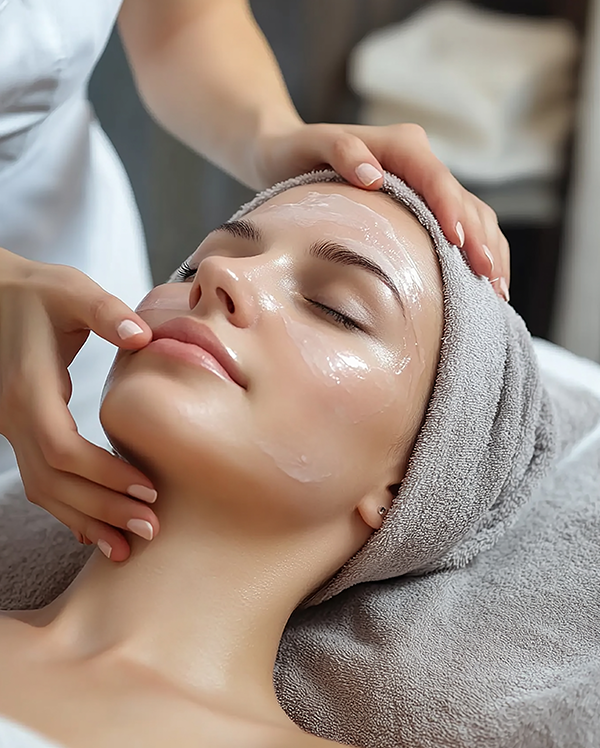
A chemical peel is a skin rejuvenation treatment that applies a carefully selected solution to the skin. It exfoliates damaged outer layers and helps reveal smoother, clearer-looking skin underneath. Depending on the peel selected, treatment may help improve uneven tone and texture, dark spots, fine lines, wrinkles, acne, and acne scars.
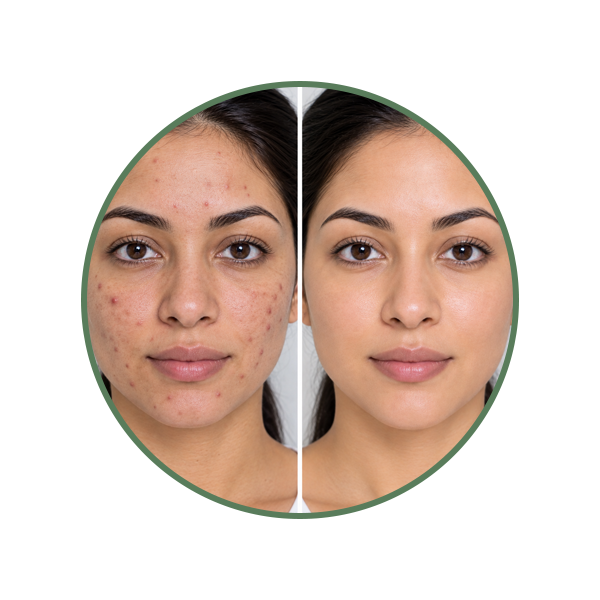
Chemical peels can improve uneven skin tone, rough texture, dark spots, fine lines, acne, and other visible signs of skin damage.
Sun exposure and other skin changes can leave behind age spots, freckles, melasma, and other areas of uneven pigmentation. Certain chemical peels can help improve the appearance of these concerns.
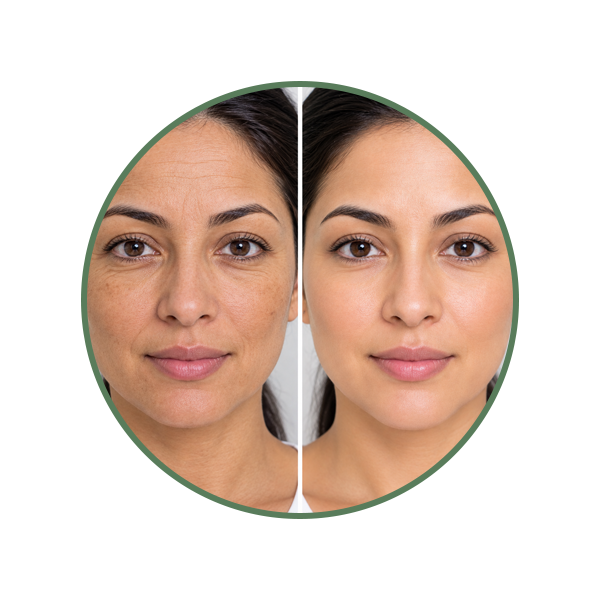
Fine lines and rough or uneven skin texture can make your complexion look less smooth. Chemical peels can help soften the appearance of fine lines while promoting a smoother-looking surface.
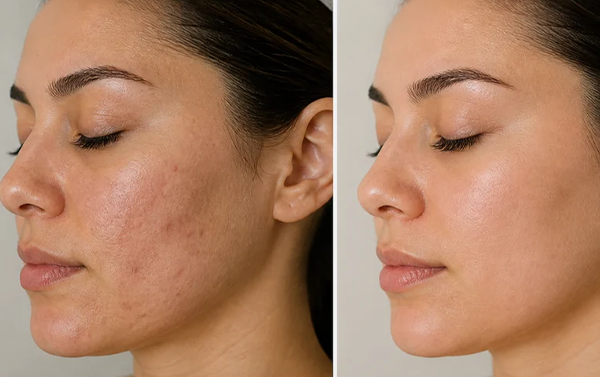
Some chemical peels can help improve acne-related skin concerns and reduce the appearance of acne scars. The appropriate treatment depends on your skin condition and the results you want to achieve.
Your treatment begins with an evaluation of your skin and the concerns you want to address. This helps determine which peel and treatment approach may be appropriate for you.
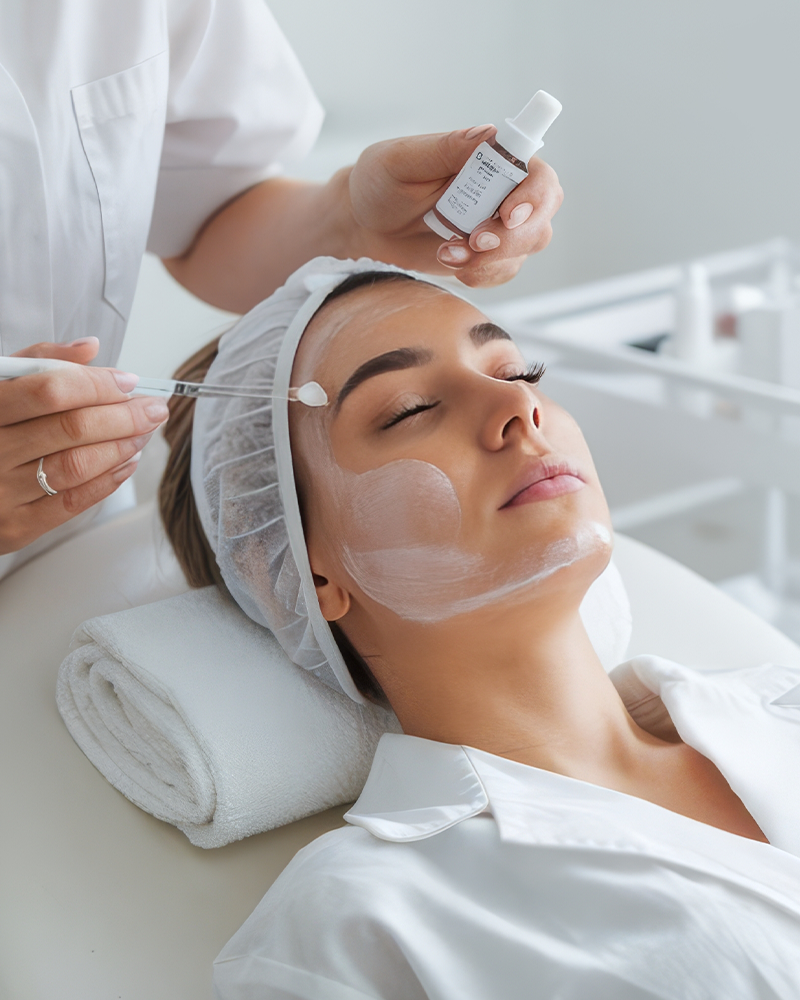
Your skin is prepared before the peel is applied. Proper preparation helps create a clean surface for the treatment and allows the selected solution to be applied evenly.
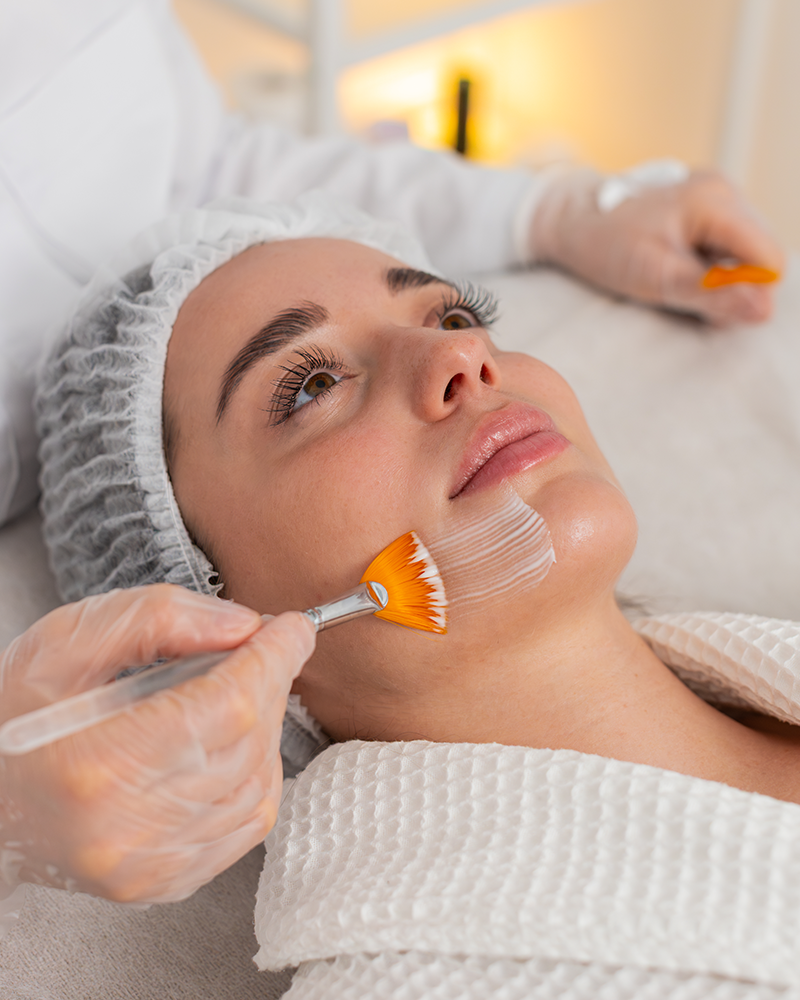
The selected chemical solution is carefully applied to the skin. The formulation and strength depend on the treatment chosen for your skin type and condition.
After treatment, your skin begins its renewal process. Depending on the peel, you may experience peeling or other temporary changes as the treated skin sheds and new, smoother-looking skin develops.
Different chemical peels offer different levels of treatment Your skin type, condition, and concerns help determine which option may be appropriate.
A chemical peel can address more than one concern at a time. Depending on your treatment, it may help improve pigmentation, acne, fine lines, texture, or overall skin clarity.
Your skin does not have to fit into a standard treatment. Our team can consider your skin condition and concerns when determining which chemical peel may be appropriate for you.
Depending on your skin concerns, we can use varying chemical peel combinations to help achieve your skin goals.
Skin rejuvenation works best when the treatment matches your individual skin. Our team can evaluate your concerns and help determine whether a chemical peel is appropriate for your skin and what you want to improve.
Whether you are concerned about uneven tone, sun damage, acne, fine lines, or texture, the right treatment begins with understanding your skin.
A buildup of damaged surface skin can affect the way your complexion looks. A chemical peel can exfoliate the treated skin and promote a smoother, fresher appearance.
Age spots, freckles, melasma, and other pigmentation concerns can make your complexion look uneven. Certain chemical peels may help improve their appearance.
Fine lines and wrinkles are common signs of aging. Certain peels can soften their appearance while improving overall skin texture and tone.
Chemical peels may be used to address acne-related concerns and the appearance of acne scars. A consultation can help determine whether a peel is suitable for your skin.
Your concerns may be obvious to you, but the right treatment is not always. A consultation with our team gives you the opportunity to discuss your goals and understand your options before deciding.
Your skin may look and feel different after a chemical peel, depending on the treatment you receive. Some peels cause little to no downtime, while stronger options may lead to peeling as the skin renews. The number of sessions also varies.
Superficial peels may be recommended in a series of three to six treatments, spaced about two weeks apart, for more noticeable improvement. Your provider will recommend a schedule based on your skin and treatment goals.