Prominent Ears
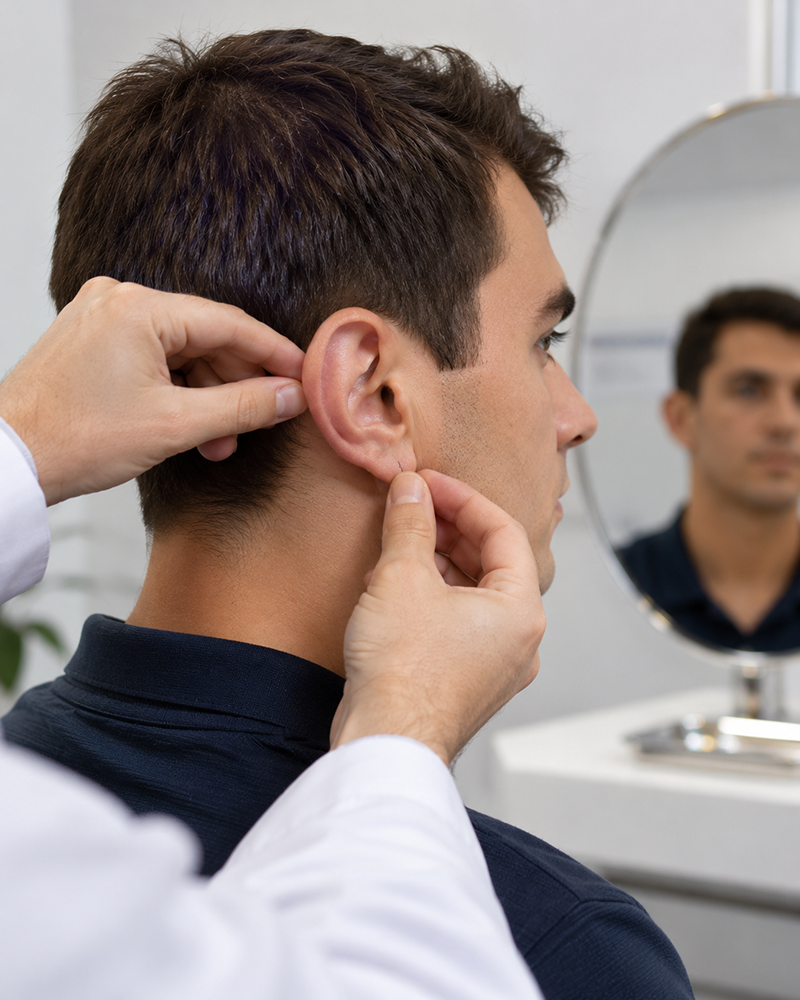
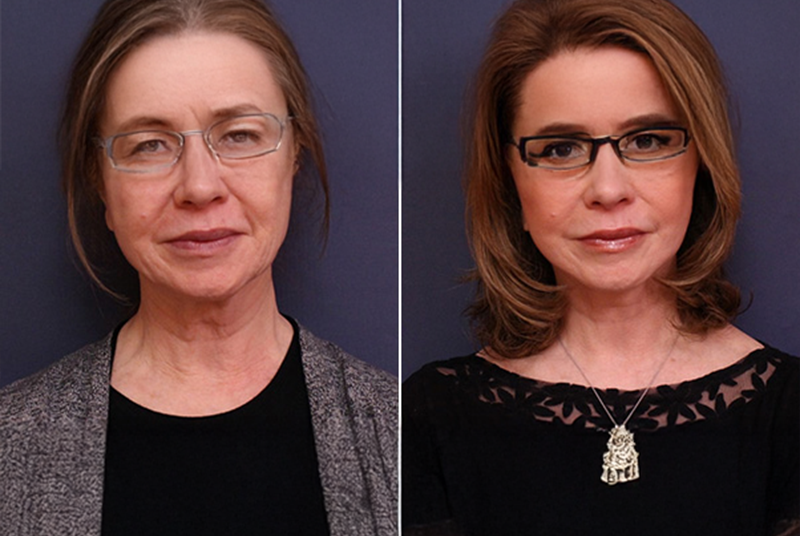
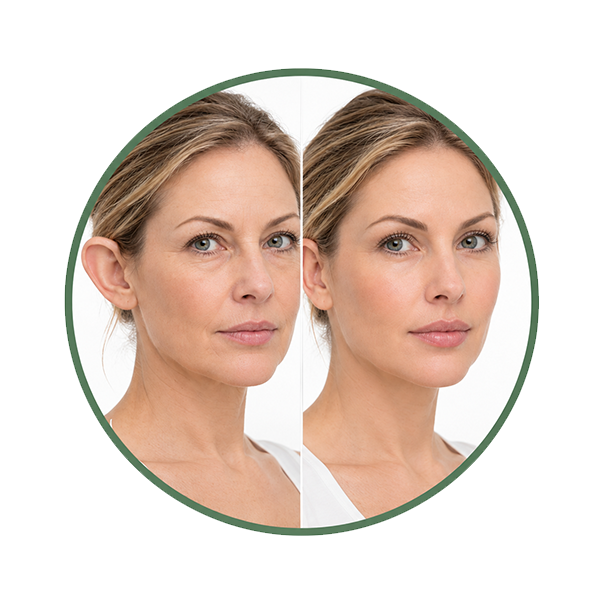
When the ears extend farther from the head than desired, they may appear more noticeable from the front or side. Otoplasty can reposition the ears closer to the head.
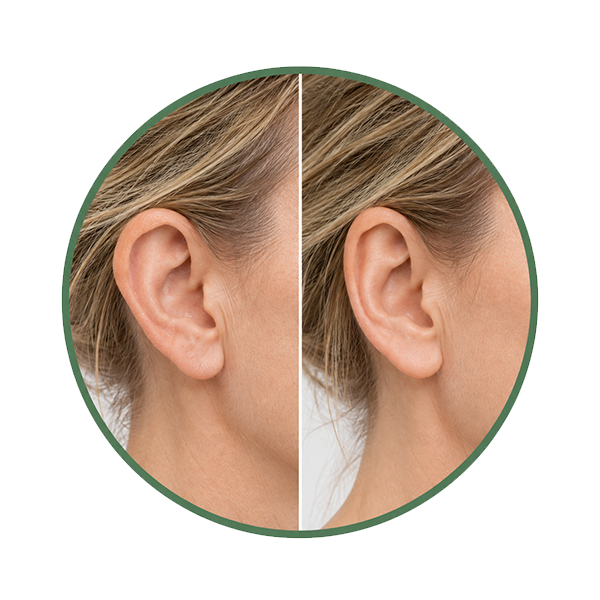
The shape and position of your ears can influence the overall balance of your face. Prominent ears, uneven positioning, or changes in ear shape may affect how you feel about your appearance. Otoplasty is a surgical procedure that reshapes or repositions the ears to create a more balanced appearance. Dr. Aaron Shapiro can evaluate your ear anatomy and discuss whether otoplasty may be appropriate for you.
Need Help!
Otoplasty, also known as ear surgery, is a procedure designed to change the shape, position, or proportion of the ears. Depending on your anatomy and treatment goals, surgery may involve reshaping the ear cartilage or positioning the ears closer to the head.
Otoplasty can address structural features of the outer ear that affect its shape, position, or appearance.
When the ears extend farther from the head than desired, they may appear more noticeable from the front or side. Otoplasty can reposition the ears closer to the head.
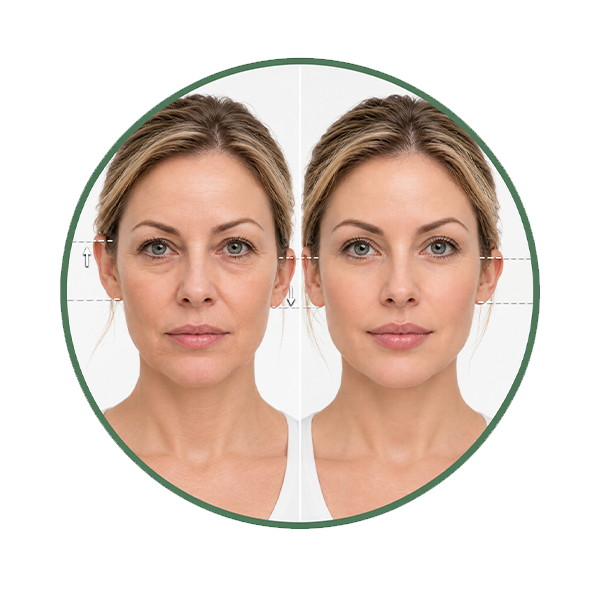
The shape of the outer ear depends largely on its underlying cartilage. Surgical reshaping can modify selected cartilage structures to create a more balanced ear contour.
Differences in ear position or shape can affect facial symmetry. Otoplasty can address selected asymmetries and create greater balance between the ears.
Your treatment begins with an examination of the ears, including their size, shape, position, and cartilage structure. Dr. Durvi Patel will also discuss the changes you would like to achieve.
Your surgical plan is based on your auricular anatomy and treatment goals. The approach may involve reshaping cartilage, changing the ear's position, or addressing both.
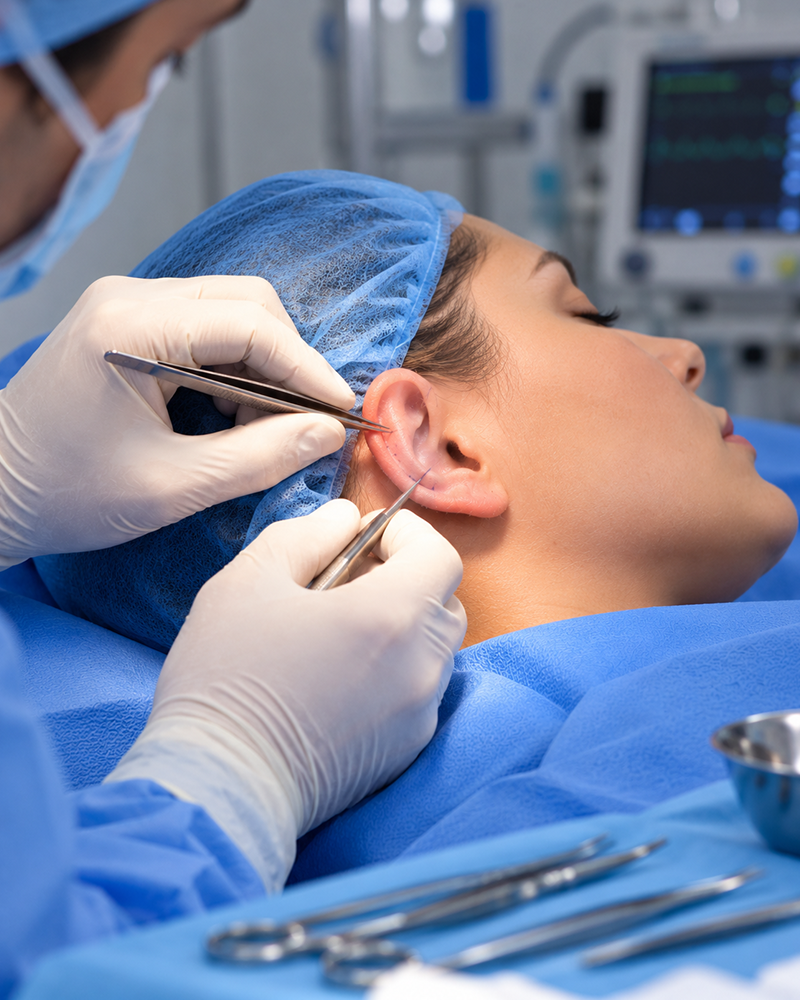
During surgery, the ear cartilage can be carefully reshaped, folded, or repositioned depending on the correction required. The technique is selected according to your individual anatomy.
After the desired shape and position are achieved, the ear is secured in its new position and the incisions are closed. The specific incision placement depends on the surgical approach.
Otoplasty can address different structural concerns depending on the shape and position of your ears.
Ear pinning focuses on reducing the prominence of the ears by positioning them closer to the head. It can be used when the ears project outward more than desired.
The underlying ear cartilage can be reshaped to improve the contour and structure of the outer ear. The technique depends on the specific anatomical concern.
Otoplasty can modify how the ear sits in relation to the head. Careful positioning helps create a more balanced appearance without making the ears look overly close to the scalp.
Minor differences between the ears are common. When appropriate, surgery can address noticeable differences in shape or position to improve overall symmetry.
There is no single ear shape or surgical approach that suits everyone. Dr. Durvi Patel considers your ear anatomy, facial proportions, and aesthetic goals when planning treatment.
Otoplasty requires careful attention to the shape and structure of the ear. The goal is not simply to make the ears smaller or bring them closer to the head. Treatment should consider their proportion, position, and relationship with your other facial features.
Dr. Aaron Shapiro evaluates your auricular anatomy and the specific concerns you want to address before developing your treatment plan.
Ears that project noticeably from the head can become a source of self-consciousness. Otoplasty can reposition the ears and reduce their prominence.
The shape and projection of the ears can influence your appearance from different angles. Reshaping the cartilage may help create a more balanced profile.
Some degree of natural asymmetry is common. If differences in ear shape or position are noticeable, otoplasty may help improve overall balance.
Nonsurgical treatments cannot reshape or reposition ear cartilage. Otoplasty provides a surgical option for making structural changes to the outer ear.
The concern may be the position, shape, size, or symmetry of your ears. A consultation with Dr. Aaron Shapiro can help identify the underlying concern and determine whether otoplasty may be appropriate for you.
Your ears may have swelling, bruising, tenderness, or temporary changes in sensation after surgery. A dressing or protective bandage may be used to support the ears during the initial healing period. Your surgeon will provide specific instructions for incision care, sleeping position, activity, and follow-up appointments.
As swelling decreases, the shape and position of the ears become easier to appreciate. Recovery varies between patients and depends on the surgical technique and your individual healing process.