Loose Neck Skin
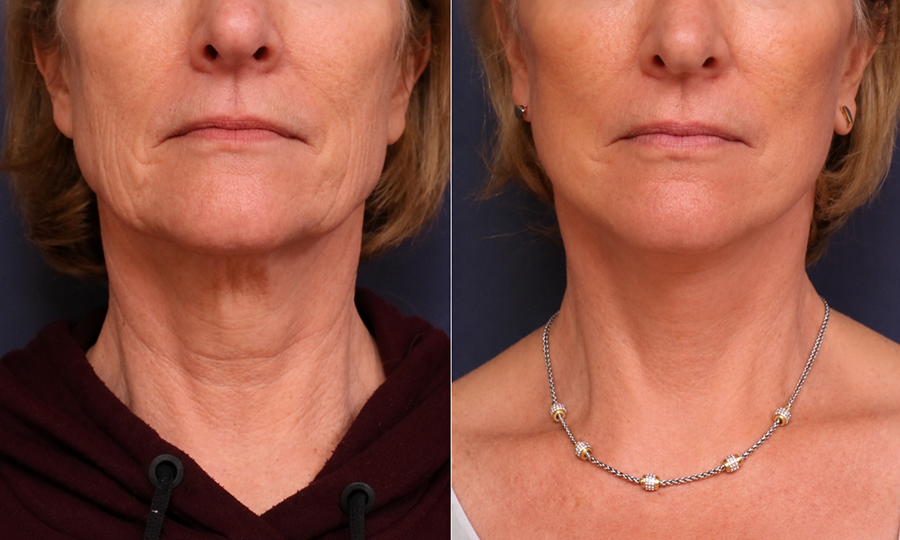
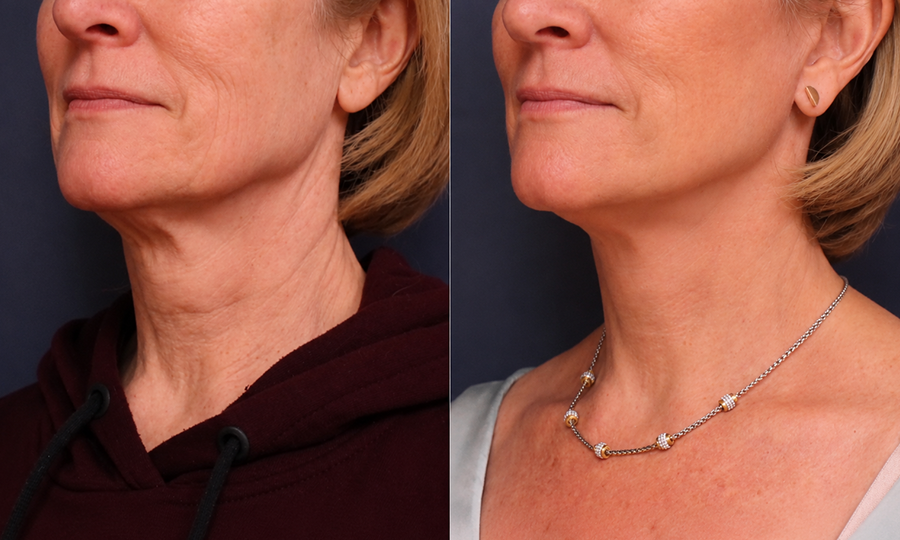
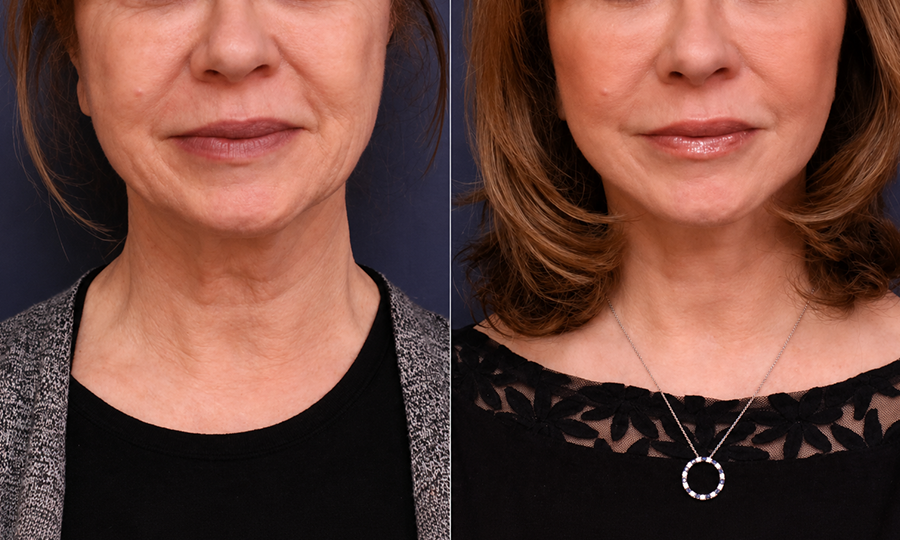
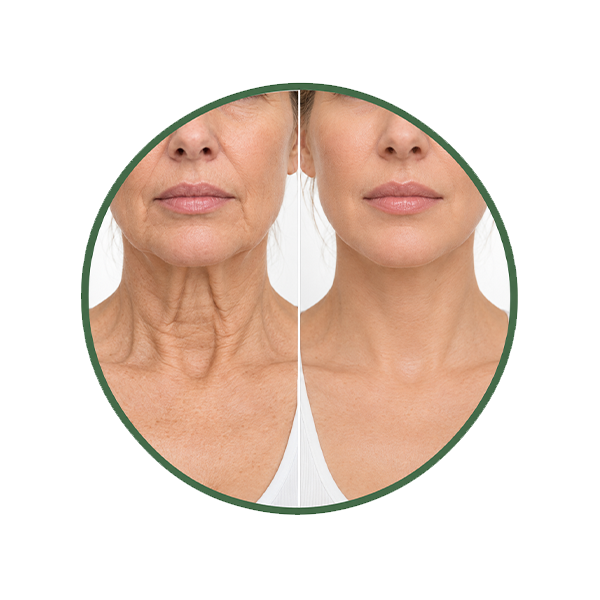
As skin loses elasticity, it can become loose and create folds beneath the jaw. A neck lift can manage excess skin and improve the appearance of neck contours.
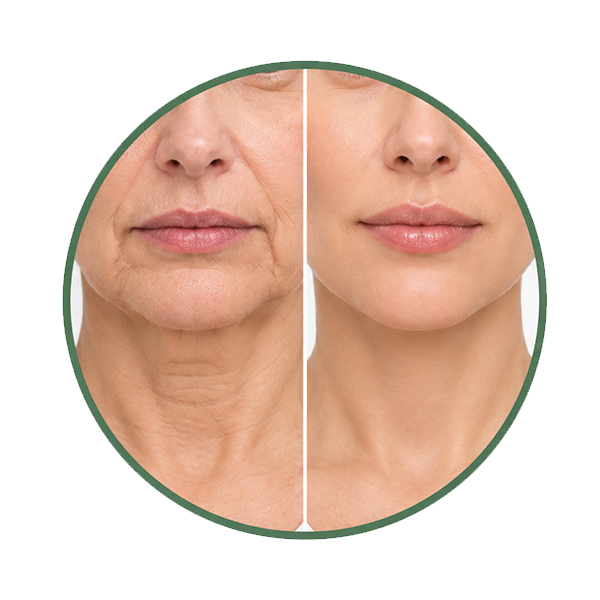
Changes in the neck can become more noticeable with age. Loose skin, reduced definition along the jawline, and fullness beneath the chin can affect your profile. A neck lift is designed to address these changes by improving the underlying tissues and managing excess skin when needed. Dr. Aaron Shapiro can evaluate your neck anatomy and discuss whether a neck lift may be appropriate for your goals.
Need Help!
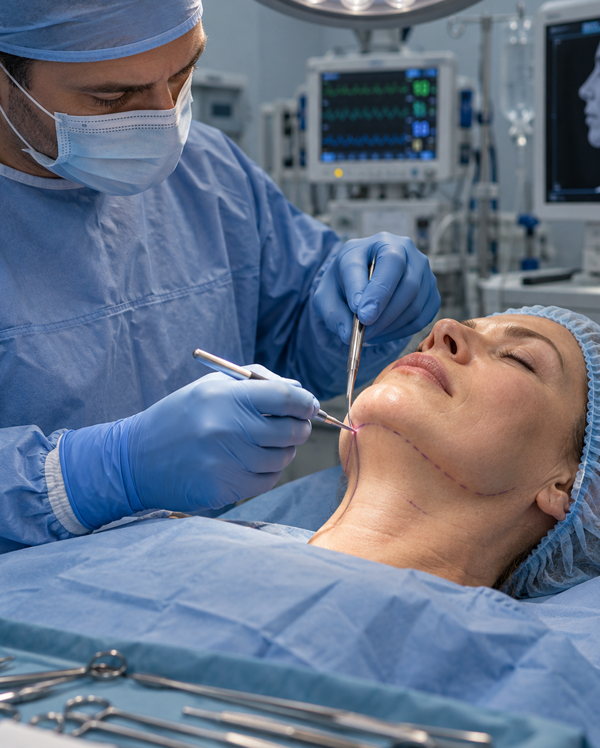
A neck lift is a surgical procedure designed to address visible signs of aging in the neck. Depending on your anatomy, treatment may involve tightening or repositioning underlying tissues, addressing the platysma muscle, and removing or managing excess skin and fat.
Neck lift surgery can address structural changes that affect the appearance and definition of the lower face and neck.
As skin loses elasticity, it can become loose and create folds beneath the jaw. A neck lift can manage excess skin and improve the appearance of neck contours.
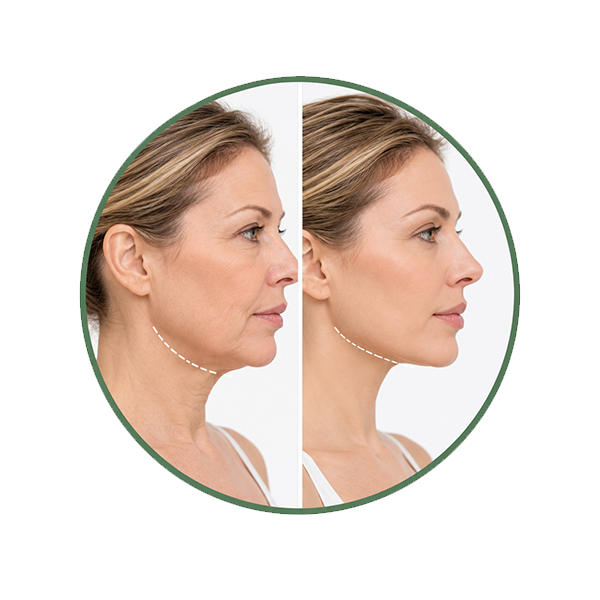
The platysma muscle can become more visible with age and contribute to vertical neck bands. Surgical treatment may address the platysma to create a smoother-looking neck.
Sagging tissues and excess fullness beneath the chin can soften the transition between the jaw and neck. A neck lift can improve this area and create a more defined profile.
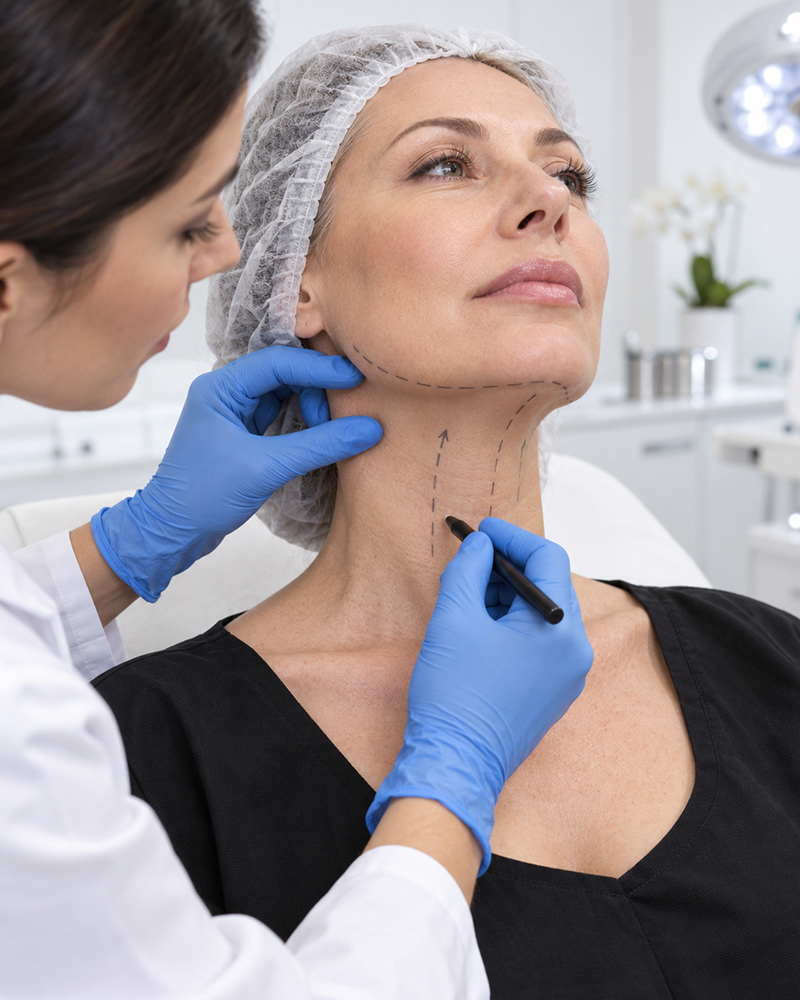
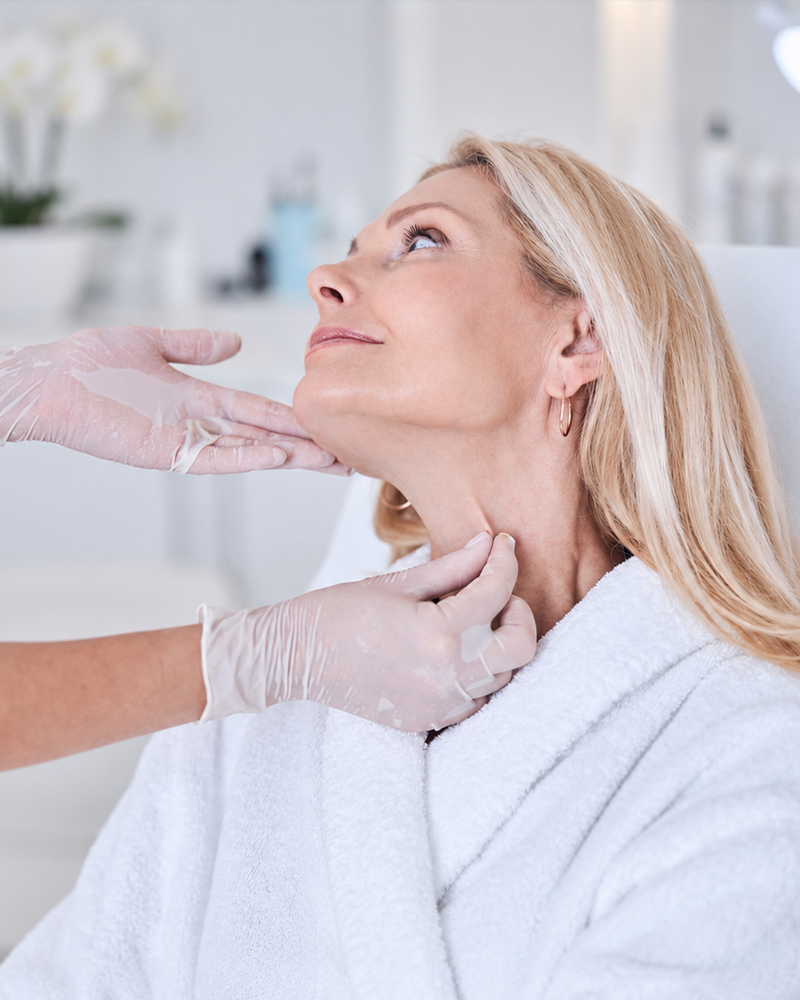
Your treatment begins with an assessment of your neck, jawline, skin quality, and underlying tissues. Dr. Aaron Shapiro will identify the changes contributing to your concerns.
The surgical approach depends on the degree of skin laxity, tissue changes, and fullness present in the neck. Your treatment plan is designed around your anatomy and desired outcome.
During surgery, the underlying neck tissues may be tightened or repositioned. When appropriate, the platysma muscle can also be addressed to improve neck contour.
After the underlying structures have been treated, excess skin is carefully managed and the incisions are closed. Their placement depends on the surgical technique and areas being treated.
The appropriate neck lift approach depends on the specific changes affecting your neck and lower face.
When loose skin is a primary concern, surgical treatment can remove or reposition excess skin to create a smoother neck contour.
The platysma is a thin muscle that extends across the lower face and neck. Addressing this muscle may help improve visible neck bands and support a more defined contour.
Fullness beneath the chin can reduce the definition of the jawline and neck. Depending on your anatomy, treatment may address excess fat in this area as part of your surgical plan.
The appearance of the neck is closely connected to the jawline. A neck lift can improve the transition between these areas and create a more defined profile.
Not every patient needs the same degree of correction. Dr. Durvi Patel considers your skin, underlying tissues, facial proportions, and treatment goals when planning your procedure.
Neck rejuvenation is about more than removing loose skin. The underlying tissues, platysma muscle, skin quality, and relationship between the jawline and neck all influence the final appearance.
Dr. Aaron Shapiro evaluates these factors when developing your treatment plan. His approach focuses on addressing the changes that concern you while maintaining balance with your natural facial features.
Loss of skin elasticity can cause the skin beneath the jaw to sag or fold. A neck lift can address selected excess skin and improve the appearance of the neck.
Changes in the platysma muscle can create visible vertical bands across the neck. Surgical treatment may help reduce their appearance.
Sagging tissues and submental fullness can blur the transition between the jawline and neck. A neck lift can address these changes and improve contour.
Skincare and nonsurgical treatments may improve certain surface concerns, but they cannot reposition or tighten deeper neck tissues in the same way as surgery.
Your concerns may involve loose skin, platysma muscle changes, fullness beneath the chin, or a combination of these factors. A consultation with Dr. Aaron Shapiro can help determine what is contributing to the changes you see and whether a neck lift may be appropriate for you.
Swelling, bruising, tightness, and temporary changes in sensation can occur after neck lift surgery. These effects gradually improve as the treated tissues heal. Your surgeon will provide specific instructions for incision care, activity, medications, and follow-up appointments.
Your neck contour will continue to change as swelling decreases and the tissues settle. Recovery varies between patients and depends on the surgical technique, areas treated, and your individual healing process.