Brow Lift

Brow Lift
Brow Lift

Brow Lift

Lift Your Brow, Refresh Your Expression

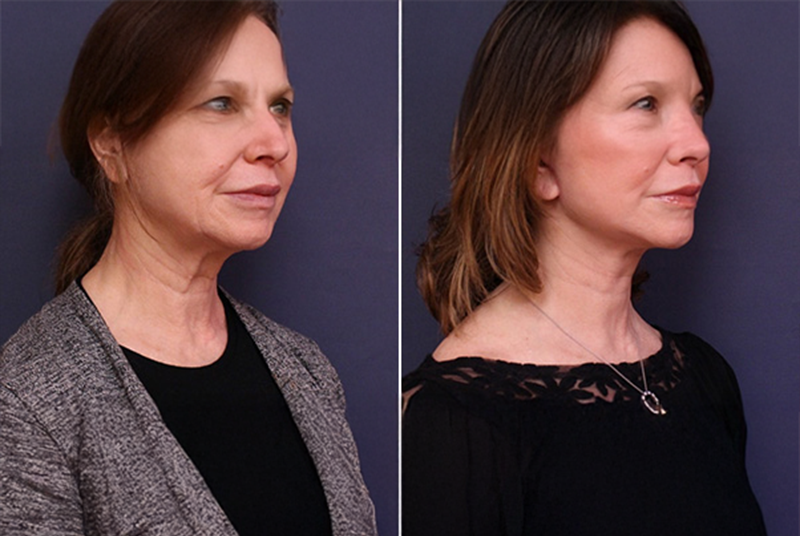
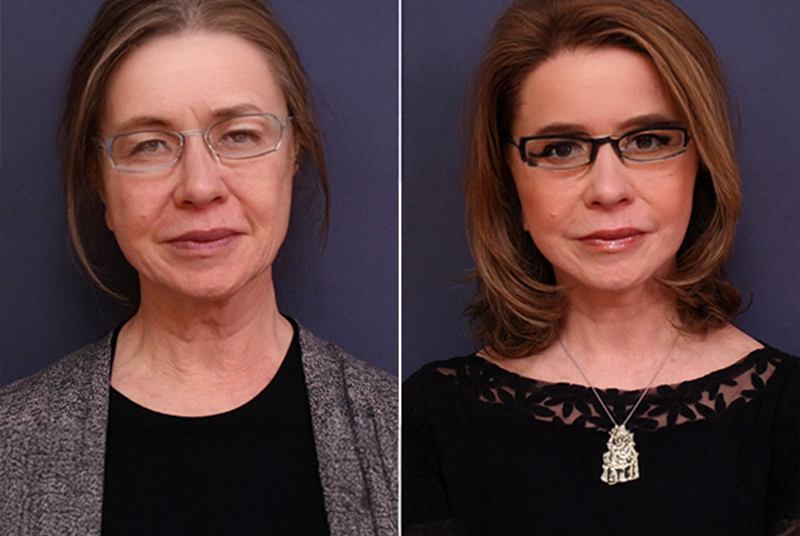
Changes in the forehead and brow can affect the way your entire face looks. A lower brow, forehead lines, or excess skin can create a tired or heavy appearance. A brow lift can reposition the brow and address selected signs of aging across the upper face. Dr. Aaron Shapiro can evaluate your facial anatomy and discuss whether a brow lift may be appropriate for your concerns.

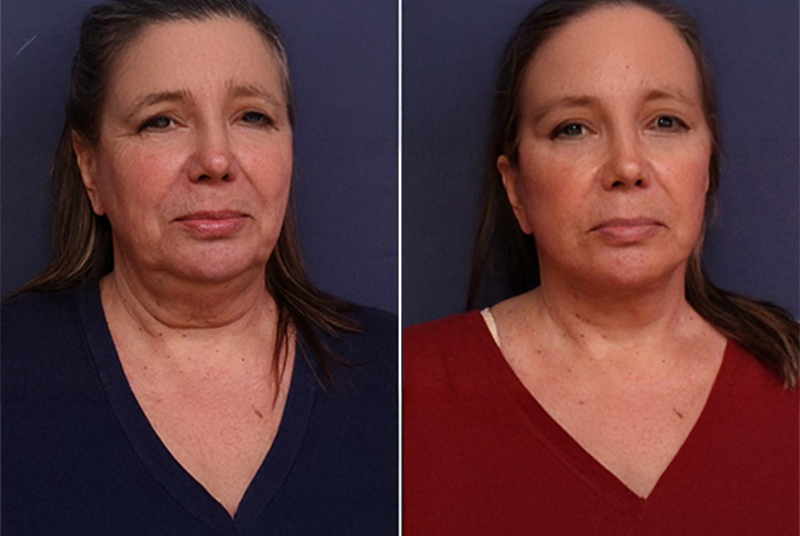
Brow Lift Before & After

See How Brow Position Can Change Your Look

Brow Lift
Brow Lift
Brow Lift

ABOUT BROW LIFT

Restore a More Open, Balanced Upper Face

A brow lift is a surgical procedure designed to address changes affecting the forehead and eyebrow position. Depending on your anatomy and treatment plan, surgery may reposition the brow and manage excess skin or tissue to create a more balanced appearance across the upper face.

01

What Can a Brow Lift Improve?

A brow lift can address several visible changes that develop as the tissues of the upper face shift with age.

01
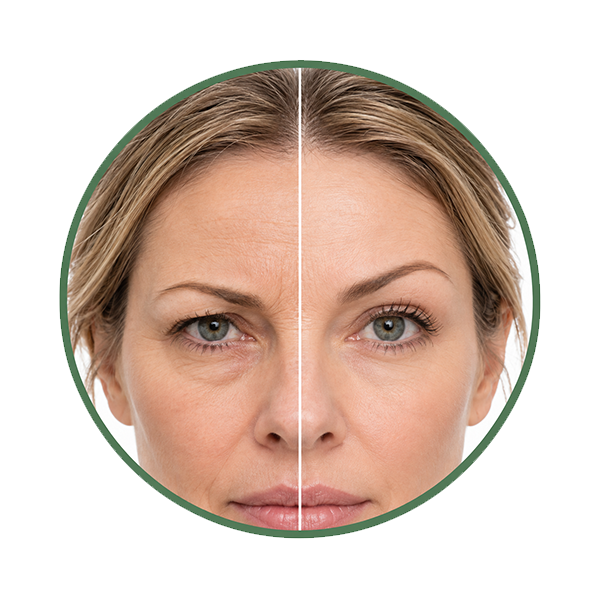
A Lower Brow

A Lower Brow

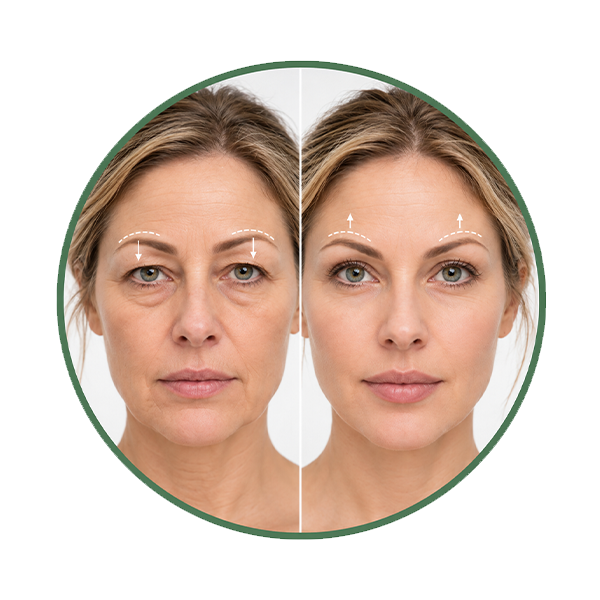
A descending brow can create a heavier appearance around the upper face and eyes. A brow lift can reposition the eyebrow to a more balanced position.
02
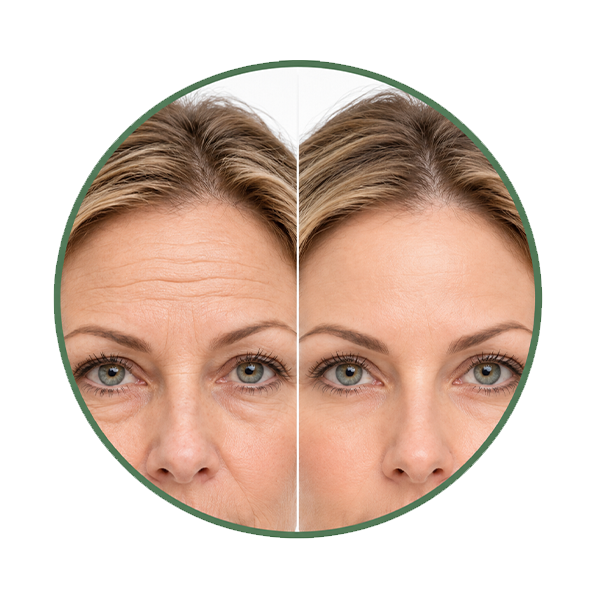
Forehead Lines

Forehead Lines

Repeated facial movement and changes in skin elasticity can contribute to visible forehead lines. A brow lift may improve the overall appearance of the forehead as part of facial rejuvenation.

03
Heavy-Looking Upper Face

Heavy-Looking Upper Face

Changes in brow position and forehead tissues can make the upper face appear tired or heavy. Brow lift surgery can address selected structural changes to create a more refreshed appearance.

02

What Happens During a Brow Lift?

01

Assessing Your Brow Position

Your treatment begins with an evaluation of your brow position, forehead, skin quality, and surrounding facial structures. This helps determine which areas may benefit from surgery.

02

Planning Your Surgical Approach

The appropriate technique depends on your facial anatomy, brow position, and the degree of correction needed. Dr. Durvi Patel will explain the recommended approach during your consultation.

03

Repositioning the Brow

During surgery, the tissues supporting the brow can be carefully adjusted to improve its position. The specific technique depends on your individual treatment plan.

04

Managing the Treatment Area

Once the desired correction is achieved, the surgical area is carefully closed. Incision placement depends on the technique used and is planned with healing and the final appearance in mind.

Find the Approach That Fits Your Features

Brow lift techniques can vary depending on the patient's anatomy and the amount of correction required.

01. Traditional Brow Lift

A traditional brow lift uses a surgical approach to address the forehead and brow. It may be considered when more significant correction is needed.

02. Endoscopic Brow Lift

An endoscopic approach uses smaller incisions and specialized instruments to access the tissues of the forehead and brow. Your anatomy determines whether this technique is appropriate.

03. Forehead Rejuvenation

Changes in the forehead can affect both skin appearance and brow position. A brow lift can address selected changes as part of an upper-face rejuvenation plan.

04. Brow Position

The height and shape of the brow influence facial balance. Surgical repositioning can help create a more harmonious relationship between the brow, forehead, and eyes.

05. Personalized Brow Lift

There is no ideal brow position that looks the same on everyone. Dr. Durvi Patel considers your facial proportions and natural features when planning treatment.

Your Brow Should Complement Your Features

A brow lift is not simply about lifting the eyebrows higher. The amount and direction of movement can influence your overall facial expression and balance.

Dr. Aaron Shapiro evaluates your brow position, forehead anatomy, skin characteristics, and aesthetic goals when developing a treatment plan. The goal is to create a refreshed appearance that remains consistent with your natural features.

When Should You Consider a Brow Lift?

Age-related changes can cause the brow to descend from its previous position. A brow lift can reposition the brow as part of upper-face rejuvenation.

Changes in skin elasticity and tissue position can create a heavier appearance across the forehead and brow. Surgical correction may help restore greater definition.

A lower brow and changes in forehead tissues can contribute to a tired or aged appearance. Brow lift surgery can address selected structural changes.

Nonsurgical treatments can address certain facial concerns, but they cannot reposition the brow in the same way as surgery. A consultation can help determine whether a brow lift fits your goals.

Brow Lift

Wondering If a Brow Lift Is Right for You?

The changes you notice may involve your brow position, forehead tissues, or both. A consultation with Dr. Aaron Shapiro can help determine what is contributing to your concerns and whether brow lift surgery may be appropriate for you.

What Should You Expect After a Brow Lift?

Swelling, bruising, tightness, and temporary changes in sensation can occur after brow lift surgery. These effects gradually improve as the treated tissues heal. Your surgeon will provide specific instructions for incision care, activity, medications, and follow-up appointments.

Your brow position and overall appearance will continue to settle during recovery. The healing process varies between patients and depends on the surgical technique and your individual response to treatment.

Brow Lift